

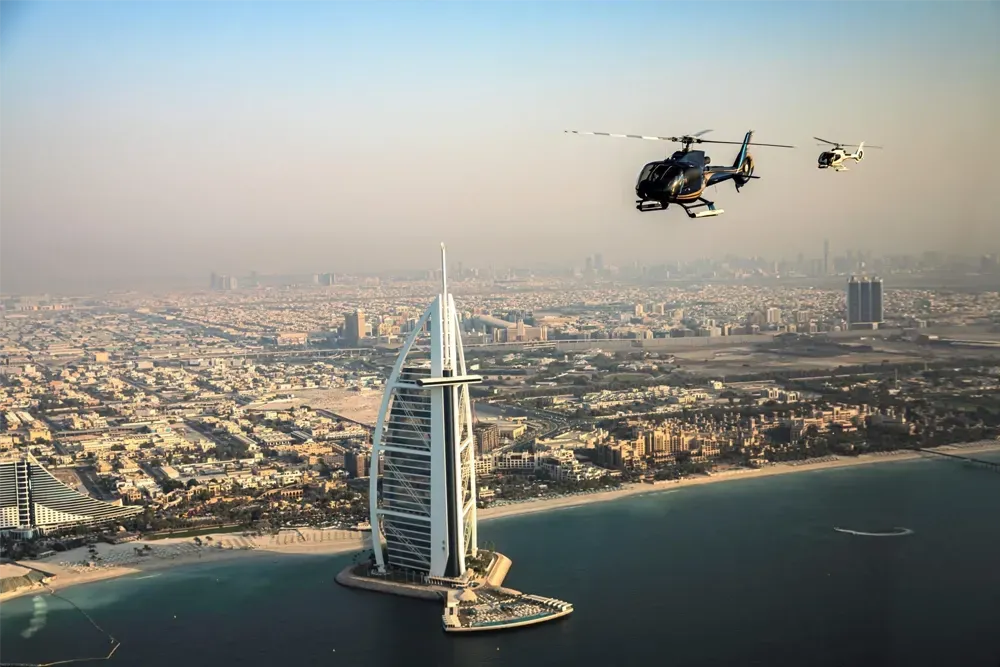
Quick answer
Helicopter tour Dubai photos typically capture Burj Khalifa, Palm Jumeirah, Burj Al Arab, Dubai Marina, and The World Islands during standard flight paths. Morning departures between 09:00 and 11:00 provide clearer atmospheric conditions and directional sunlight that defines architectural edges. Window reflections and vibration reduce sharpness, so fast shutter speeds above 1/500s and continuous autofocus improve results through aircraft glass.
Pilots follow routes that prioritize Dubai's most recognizable skyline elements within regulated airspace corridors. The Burj Khalifa dominates the frame when flying over Downtown Dubai, its spire rising 828 meters above surrounding towers. The Palm Jumeirah's symmetrical fronds become apparent only from altitude, revealing the engineering precision behind the artificial archipelago. Burj Al Arab appears isolated against the Gulf coastline, its sail-shaped profile distinct from neighboring resort developments. Aerial photography from helicopters introduces constraints absent in ground-based shooting. Vibration from rotor blades transfers through the airframe, necessitating shutter speeds fast enough to freeze motion while maintaining exposure in bright midday sun. Polarizing filters reduce glare from glass and water surfaces but require manual rotation between shooting angles. Wide-angle lenses between 16mm and 35mm capture expansive cityscape compositions, while telephoto lenses isolate individual structures against haze layers at distance. Flight altitude varies by operator route and air traffic coordination, typically ranging from 500 to 1,500 feet above ground level. Lower altitudes render architectural detail and street patterns, while higher paths emphasize the relationship between coastal development and desert hinterland. The World Islands appear as fragmented landmasses south of Palm Jumeirah, their intended continental shapes more legible from above than from surrounding watercraft. Camera preparation before departure matters more than in-flight adjustments. Continuous shooting mode compensates for unpredictable framing as the aircraft banks and turns. Autofocus tracking modes follow moving subjects through the window frame when the helicopter circles a landmark. Memory cards with fast write speeds prevent buffer delays during rapid sequences. Operators permit personal cameras and smartphones aboard all flights, though cabin lighting and reflection control remain the photographer's responsibility. Passengers seated on the Gulf-facing side during morning flights gain front-lit views of waterfront landmarks, while inland-facing seats capture backlit skyline silhouettes during afternoon departures.
“The Palm Jumeirah's symmetrical fronds become apparent only from altitude, revealing the engineering precision behind the artificial archipelago.”
Essential Helicopter Tour Dubai Photos: Iconic Landmarks to Capture
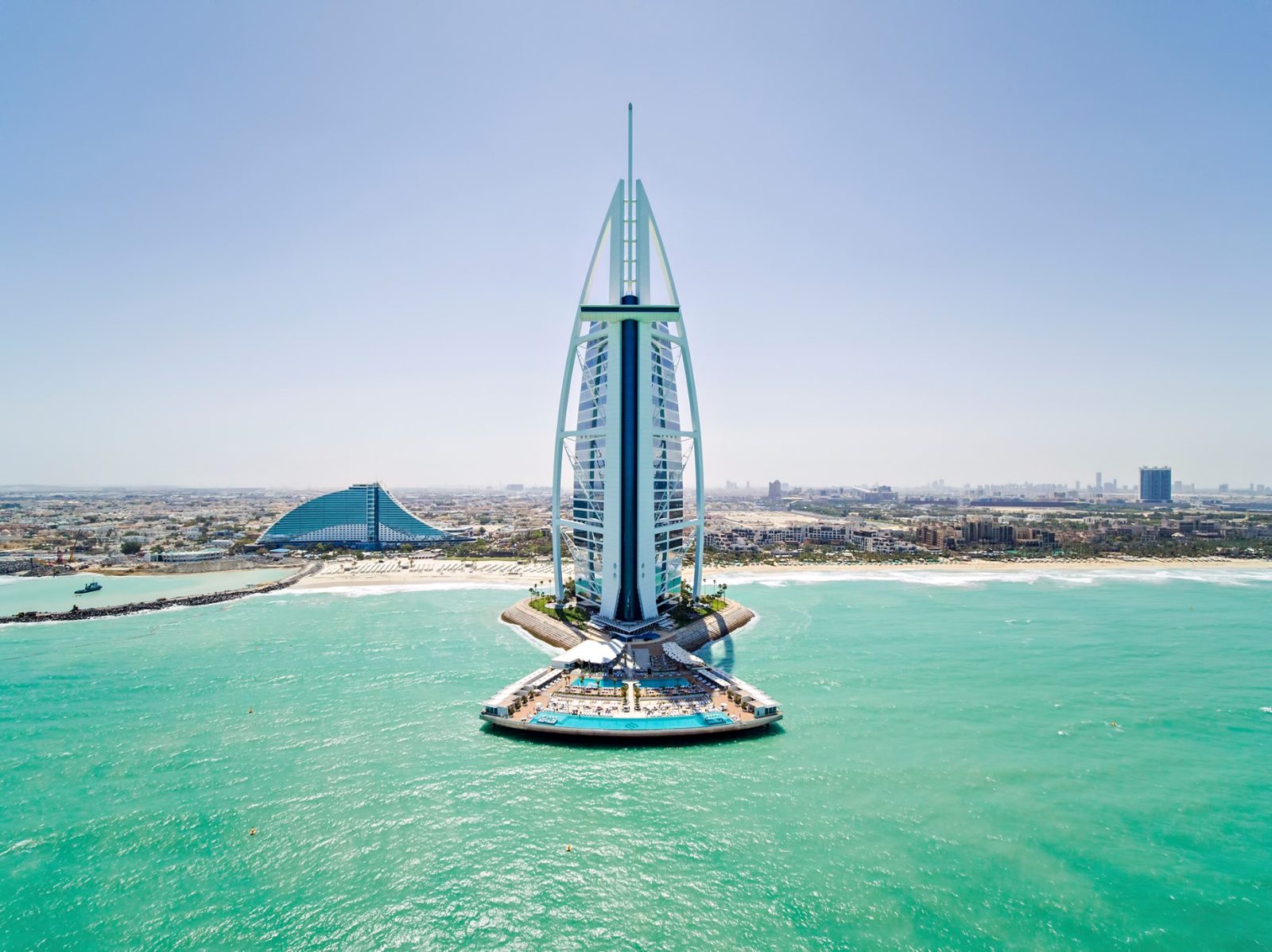
Burj Al Arab
Capture the distinct sail-shaped silhouette from a side-profile angle as the helicopter orbits the structure.
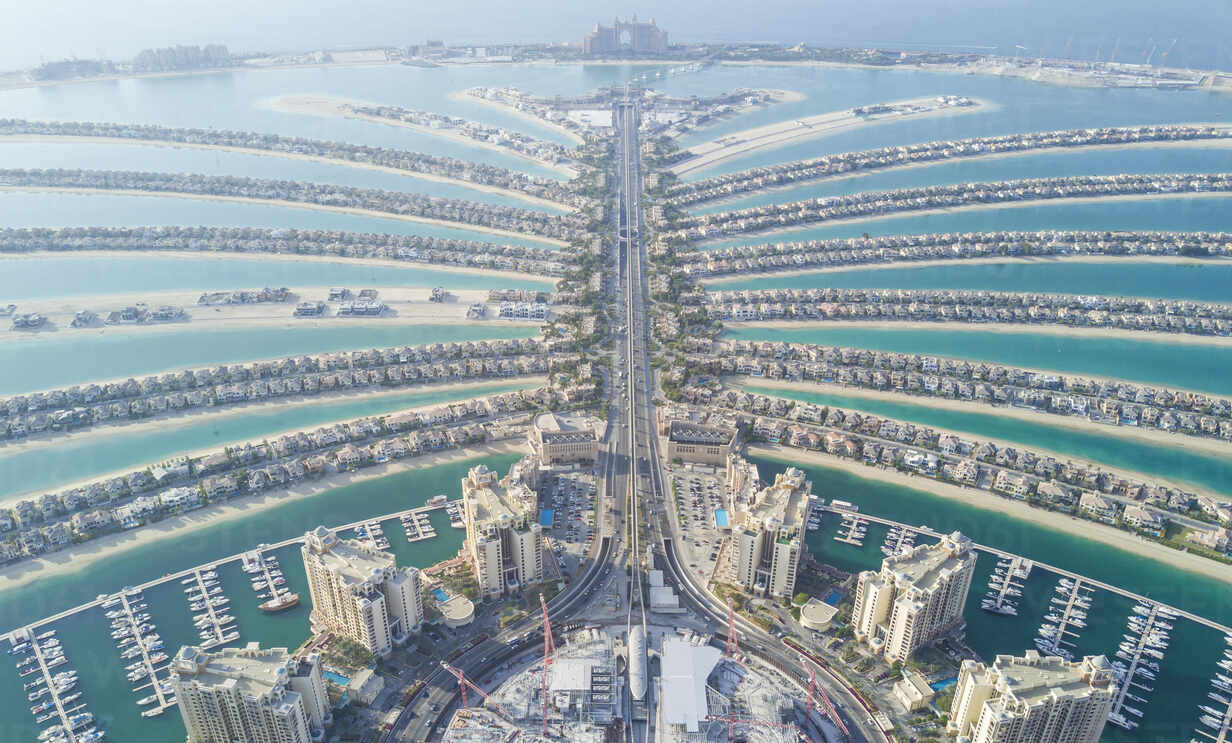
Palm Jumeirah
The aerial perspective reveals the full frond and crescent geometry of the man-made island.
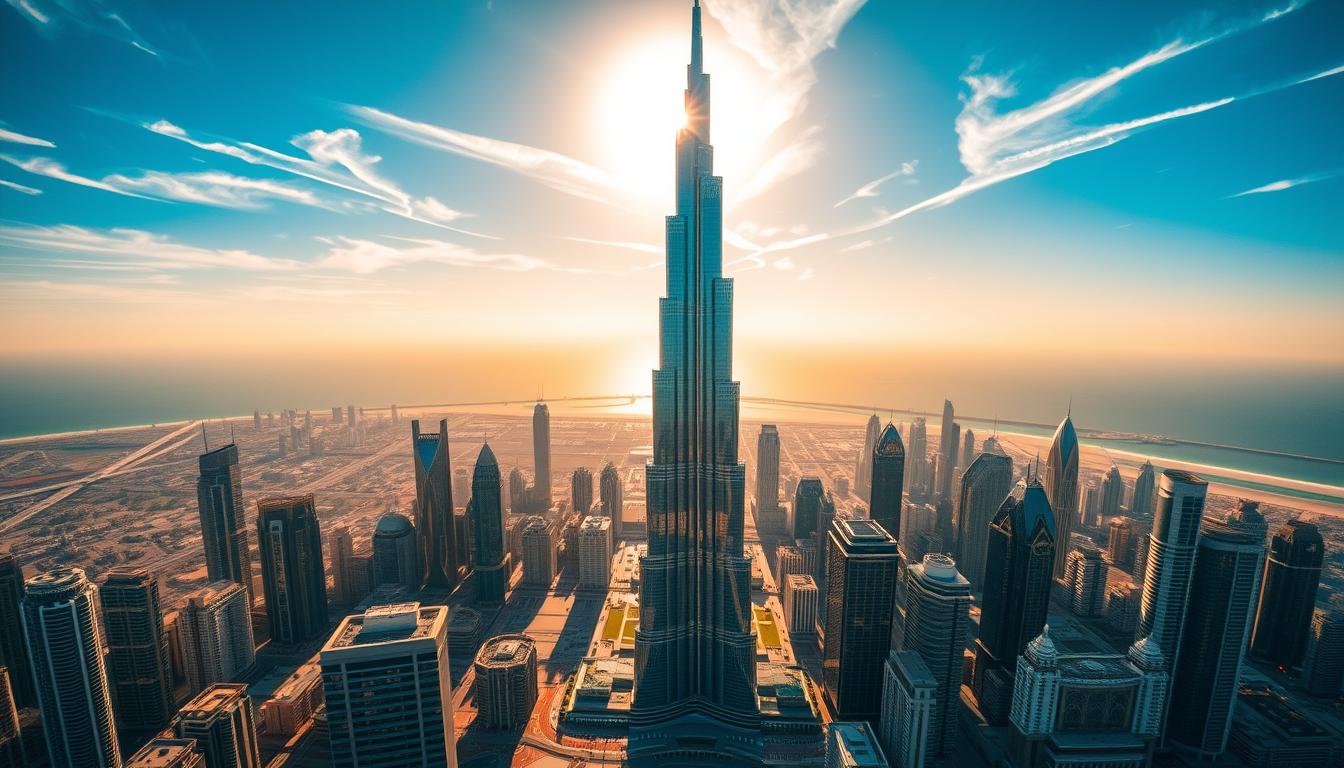
Burj Khalifa
Frame the pinnacle of the world's tallest building against the surrounding urban skyline.
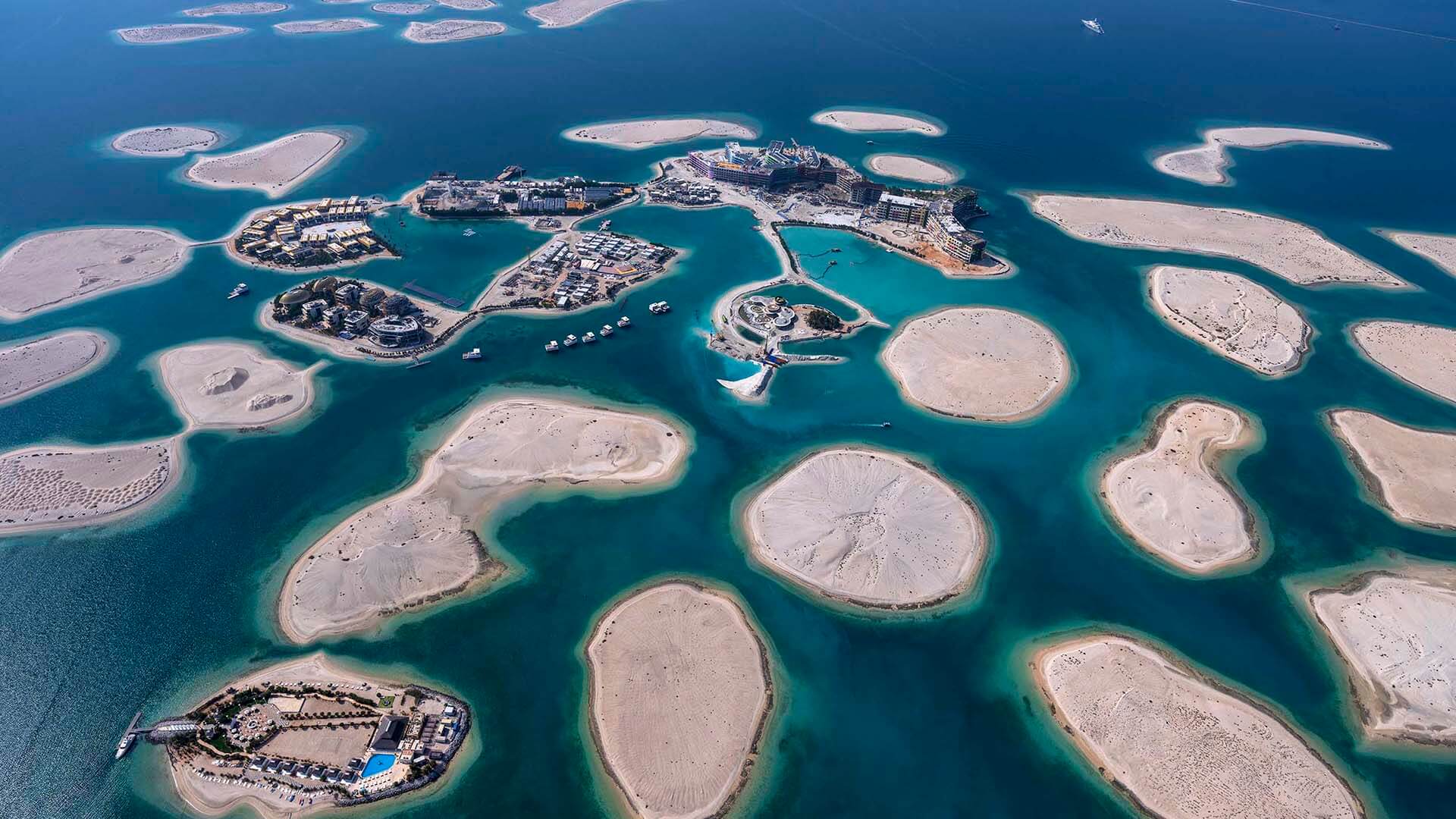
The World Islands
Look downward to document the scale and clustered formation of the global map archipelago.
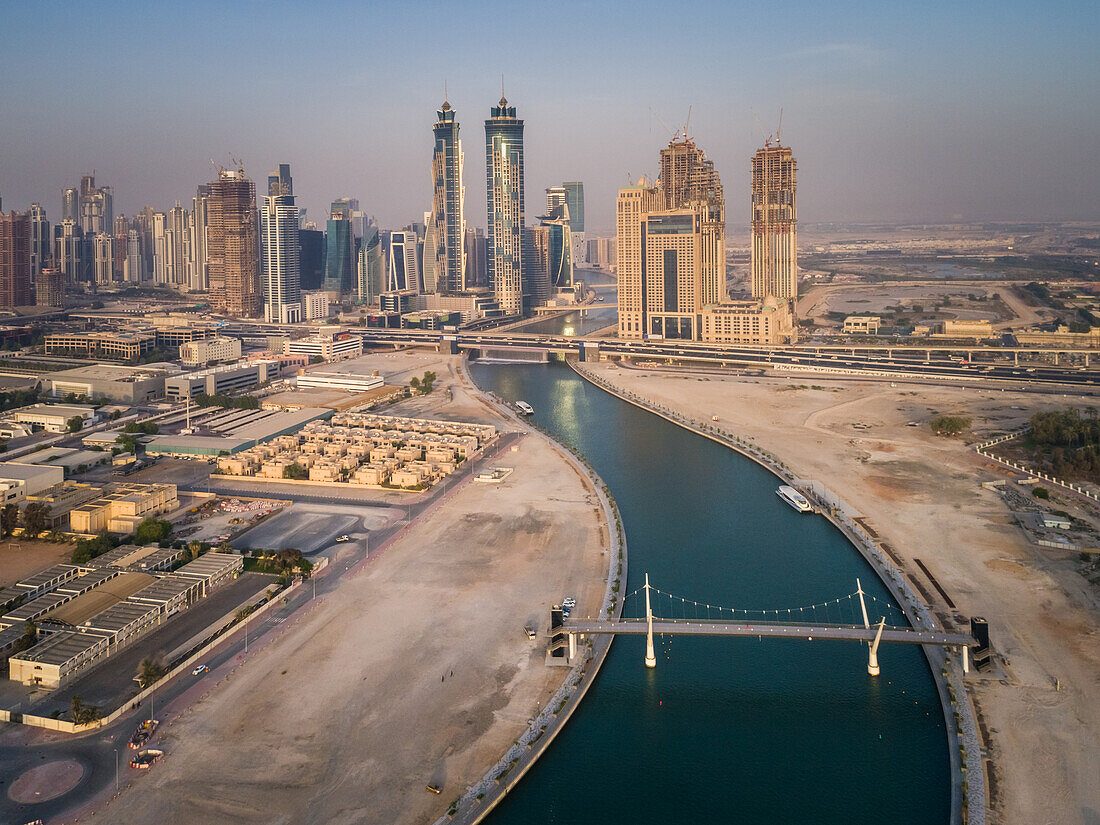
Dubai Canal
Photograph the winding waterway and its network of bridges intersecting the city landscape.
Best Time for Helicopter Tour Dubai Photos
The best time to capture high-quality aerial images is during the morning hours, specifically within the best arrival window of 09:00–17:30. Early flights provide clearer atmospheric conditions and softer light, which minimize heat haze and harsh shadows on city landmarks.
November to March
Moderate to high volumeMild, 20°C to 28°C; optimal visibility.
Cooler temperatures reduce atmospheric distortion for sharper long-distance images.
April, May, October
Low to moderate volumeWarm, 30°C to 38°C; clear skies.
These months offer a balance between manageable heat and high sun clarity.
Weekday mornings
Low volume—
Mid-week morning slots provide the most consistent light quality and minimal window glare.
Verdict: The optimal photography conditions occur on weekday mornings between November and March, during the 09:00–17:30 arrival window.
Rules for Taking Helicopter Tour Dubai Photos
Photography during helicopter flights follows strict safety protocols that protect passengers and equipment while ensuring clear window views for everyone onboard.
Do
- Secure camera straps around your wrist or neck before takeoff
- Use natural light through windows without flash
- Keep equipment inside the cabin at all times
- Follow crew instructions on when photography is permitted
- Hold devices firmly with both hands during shooting
Don't
- Don't use flash photography as it reflects off windows
- Don't open windows or lean out during flight
- Don't block other passengers' window access for extended periods
- Don't bring loose accessories that could fall during maneuvers
- Don't use tripods or stabilizers that obstruct movement
Check availability
Frequently asked questions about helicopter tour dubai photos
Everything you need to know about helicopter tour dubai photos